
Why We Built the Main Street Mobile Campaign and Why We Believe Now Is the Right Time for Independent ISPs to Launch Mobile
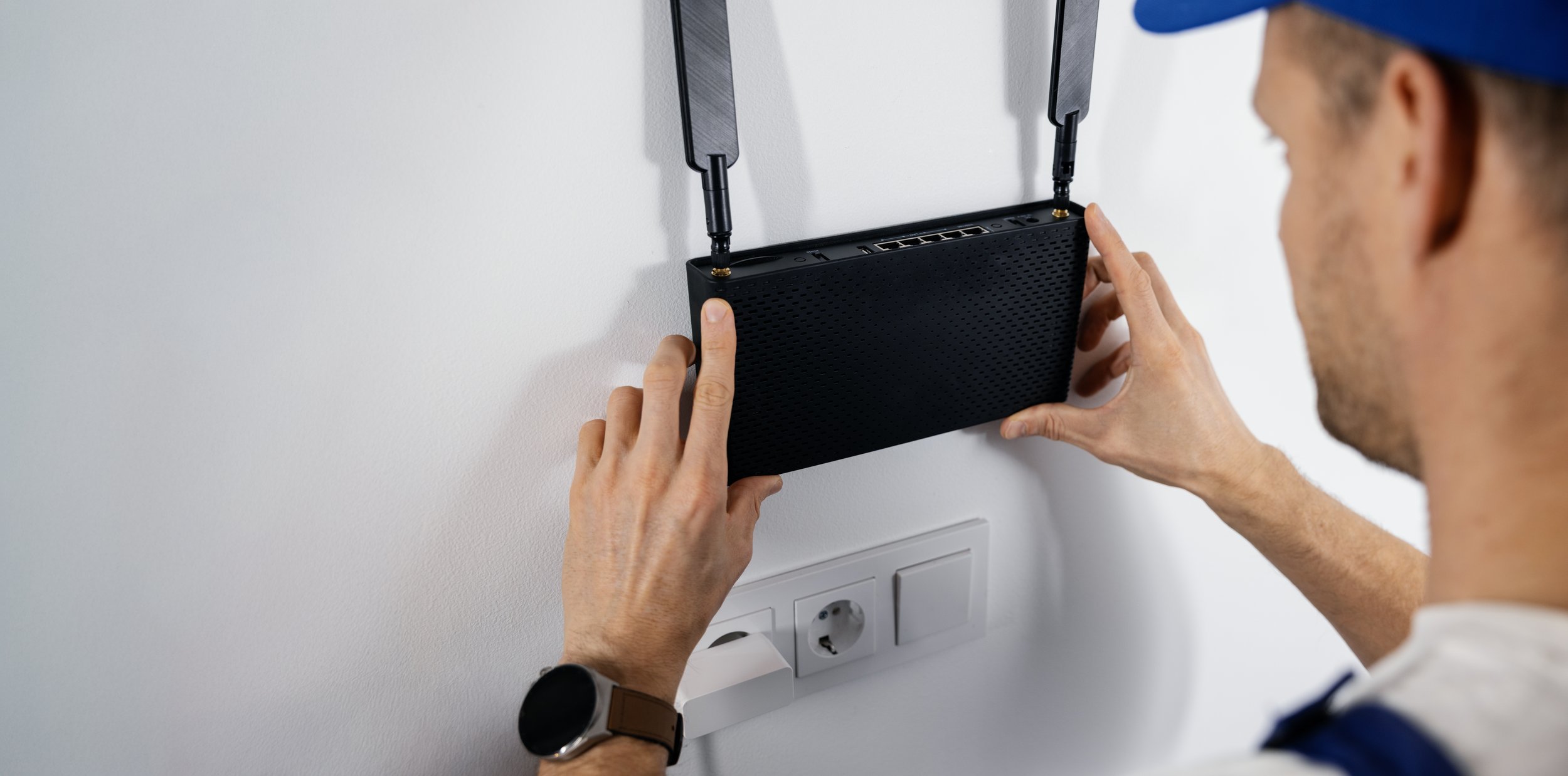
The US consumer has come to expect mobile as an offering from their internet service provider.
That was not always the case. For years, broadband and mobile were treated like separate categories. One provider delivered internet to the home. Another provider handled the phone in your pocket.
That line is disappearing.
Consumers want connectivity that works everywhere. At home, on the go, across devices and across the family. They want simplicity. They want one trusted provider. And increasingly, they expect their internet provider to be able to offer mobile too.
For many independent ISPs, that expectation has been hard to meet.
Not because they lack the customer relationship. They already have that.
Not because customers would not buy from them. In many communities, the local ISP is already the provider customers know, trust and call first.
The issue has been the operating model.
Mobile required too much upfront investment, too many vendor relationships, too much technical integration and too much operational complexity. The traditional model was not built for independent ISPs. It was built for companies with massive scale, large teams and the ability to absorb long timelines and heavy operational lift.
So for a long time, the advice was simple: mobile is too hard. Too expensive. Too risky. Focus on broadband.
A few years ago, that advice made sense.
Today, it does not.
Reach has spent years and millions of dollars building the technology, infrastructure and operating model to change that. Now, independent ISPs can offer a full-featured mobile service to their customers without building the carrier relationships, billing systems, provisioning flows, support operations, compliance processes or fulfillment infrastructure from scratch.
That is a big change.
Because independent ISPs already own the most important asset in telecom: the relationship with the consumer.
Reach brings the technology that lets them capitalize on that relationship and offer mobile under their own brand.
That is why we built the Main Street Mobile campaign.
The market has changed
For years, the industry treated mobile like a scale game.
If you were not a national carrier, a major cable company or a massive operator, launching mobile seemed out of reach. The economics were difficult. The vendor landscape was fragmented. The technical requirements were heavy. The operational burden was real.
Independent ISPs looked at mobile and asked the right questions:
Can we afford this?
Can our team support this?
Can we manage another product line?
Can we make the economics work?
Can we launch without distracting from the broadband business?
In many cases, the answer was no.
That was not a failure of the ISP. It was a failure of the model.
The old model asked broadband operators to take on too much complexity before they could even begin to participate in mobile.
That is what has changed.
Today, the platform layer exists. The integrations exist. The operational playbook exists. The support model exists. The economics are different.
An ISP no longer needs to become a mobile operator from the ground up.
They need the right technology partner.
The customer relationship is the real advantage
Independent ISPs have something extremely valuable: trust.
They serve the same households year after year. They show up in the community. They support local schools, businesses, events and families. They are not just selling a connection. They are part of the local infrastructure that keeps people connected.
That matters.
National carriers spend enormous amounts of money trying to acquire and retain customers. Independent ISPs already have a relationship with those customers. They already send the bill. They already manage the service experience. They already understand the needs of their market.
Mobile gives them a way to deepen that relationship.
It allows them to offer more value to the same household. It gives customers another reason to stay. It creates a more complete connectivity experience. And it helps the ISP participate in a category their customers are already buying from someone else.
The opportunity is not just to add another product.
The opportunity is to own more of the customer relationship.
When I talk to ISP CEOs and COOs about the Main Street Mobile campaign, the same three objections come up. I want to name them honestly.
“We have watched other ISPs try this and it did not work.”
I have watched the same ones. I can usually name them.
In almost every case, the failure was not because customers did not want mobile from their ISP. It was not because independent ISPs could not sell mobile.
It was because the model did not work.
A vendor under-delivered. A contract structure put too much risk on the operator. An integration was promised in 90 days and delivered much later. Support was not ready. The operating model was not built for the ISP.
That is exactly what we wanted to change.
The Main Street Mobile campaign starts with $0 upfront because ISPs should not be financially exposed before the model proves itself. If we do not deliver, the risk should sit on our side, not yours.
“Is our customer base large enough to make mobile worth it?”
I would push back on this one.
Independent ISPs already have the most important asset in telecom: the customer relationship. Their customers are already buying mobile from someone. The spend already exists. The question is whether the ISP wants to participate in that spend under its own brand.
You do not need every broadband customer to move their mobile service to make this worthwhile. You do not even need half.
If an ISP can attach mobile to a meaningful portion of its existing customer base, the economics can start to make sense. More importantly, mobile can help with retention, household value and long-term bundled growth.
The customer base argument made sense when the old model required massive scale before the economics worked.
That is not the model anymore.
“We do not have a telecom team. We cannot hire one.”
You do not need to build or manage the telecom stack yourself.
That is exactly why we built Reach.
Reach handles the operational complexity behind the scenes, including carrier relationships, network orchestration, SIM and eSIM provisioning, billing, payment processing, tax compliance, KYC, fraud management, device fulfillment and branded customer support.
Your team focuses on the things only you can do best: the brand, the customer relationship, pricing, audience and distribution.
That split is intentional.
If you wanted to become a telco, you would not have called us.What the Main Street Mobile campaign actually is
I want to be specific here, because vague offers from vendors are a category of thing that ISP operators are right to distrust.
The campaign has four pieces:
$0 upfront. No platform fee. No integration fee. No "implementation services" line item. You sign one agreement. You don't pay until you start activating subscribers.
One contract. Not a master services agreement plus a statement of work plus a carrier addendum plus an SLA. One contract. Spirit of the contract, not just the letter.
Live in 14 days. From signed agreement to live branded mobile service. We've done this thirteen times. We know how long it takes because we time it.
$5,000 to your community. When you activate your 1,000th subscriber by December 31, 2026, Reach donates $5,000 to a local cause you pick. School. Fire station. Food bank. Library. Youth program. You choose. We write the check.
That last piece is the part that's not a marketing hook, and I want to explain why we did it.
Why we built Main Street Mobile
Main Street Mobile was built around a simple belief: independent ISPs should be able to launch mobile without breaking the bank.
They should not have to spend months negotiating with vendors.
They should not have to invest heavily before they know how customers will respond.
They should not have to stitch together billing, activation, provisioning, fulfillment, support and compliance on their own.
They should not have to choose between serving their broadband customers and exploring a new growth category.
So we made the path simpler.
With Main Street Mobile, participating ISPs can launch mobile with:
• $0 upfront
• One contract
• A 14-day launch timeline
• A full-featured mobile service for their customers
• Reach handling the technology, operations and enablement behind the scenes
The ISP brings the brand, the customer relationship and the local trust.
Reach brings the platform, technology and operational model to make mobile work.
It is a much simpler way for independent ISPs to enter mobile.
Growth should strengthen the community too
There is another reason we built Main Street Mobile the way we did.
Independent ISPs are community builders.
They have spent decades investing in the places they serve. They connect homes, businesses, schools, public institutions and local organizations. Their growth is tied to the growth of their communities.
So the Main Street Mobile campaign includes a community giveback.
When a participating ISP reaches 1,000 active mobile subscribers by December 31, 2026, Reach will donate $5,000 back to that ISP’s community.
That giveback can support a local cause, school, nonprofit or community initiative selected with the ISP.
Because if local operators are going to grow by offering mobile, that growth should create value beyond the balance sheet.
It should strengthen the communities that helped build these businesses in the first place.
What I'd ask you to do
If you've read this far, you're probably the kind of operator we built this campaign for.
I'm not going to ask you to sign anything from a blog post. What I'd ask is this:
Talk to your engineering or operations lead. Send them docs.reachplatform.com. Our developer documentation is fully public and available without an NDA because we believe technical teams should be able to evaluate the platform honestly and transparently.
If your team reviews it and thinks, “Yes, this fits how we want to operate,” that is more valuable than any sales pitch we could give.
And if they decide it is not the right fit, we would rather know that early too. We are not interested in forcing partnerships that are not operationally aligned.
If they like what they see, book 20 minutes with us. We'll map a launch plan for your team. Finance, Legal, and IT approvals included. We've done this before.
If they don't, no harm done. You'll have spent 30 minutes looking at our API reference, which is more transparency than you'd get from any other vendor in this category.
Independent ISPs have been underestimated by the industry for a long time.
The infrastructure to compete in mobile finally exists.
The economics finally work.
The customer expectation is already here.
The Main Street Mobile campaign is what we built so you can act on all three.
If you have been shelving this conversation for years, this might be the year to pick it back up.
Harjot
Harjot Saluja is the Founder and CEO of Reach Platform, a cloud-native connectivity platform that enables brands, ISPs, fintechs, and retailers to launch fully branded mobile and broadband services without the traditional telecom complexity. Reach delivers fully managed connectivity infrastructure, allowing partners to go live in weeks without building carrier relationships or operational telecom systems themselves. Learn more at reachplatform.com or visit reachplatform.com/main-street-mobile for campaign details.